
An energy-saving measure deserves priority when there is a clear problem, a workable action and a credible way to measure the result. Replacing the largest machine first is not always the right decision. Compare operating changes, maintenance and equipment investment on consistent assumptions.
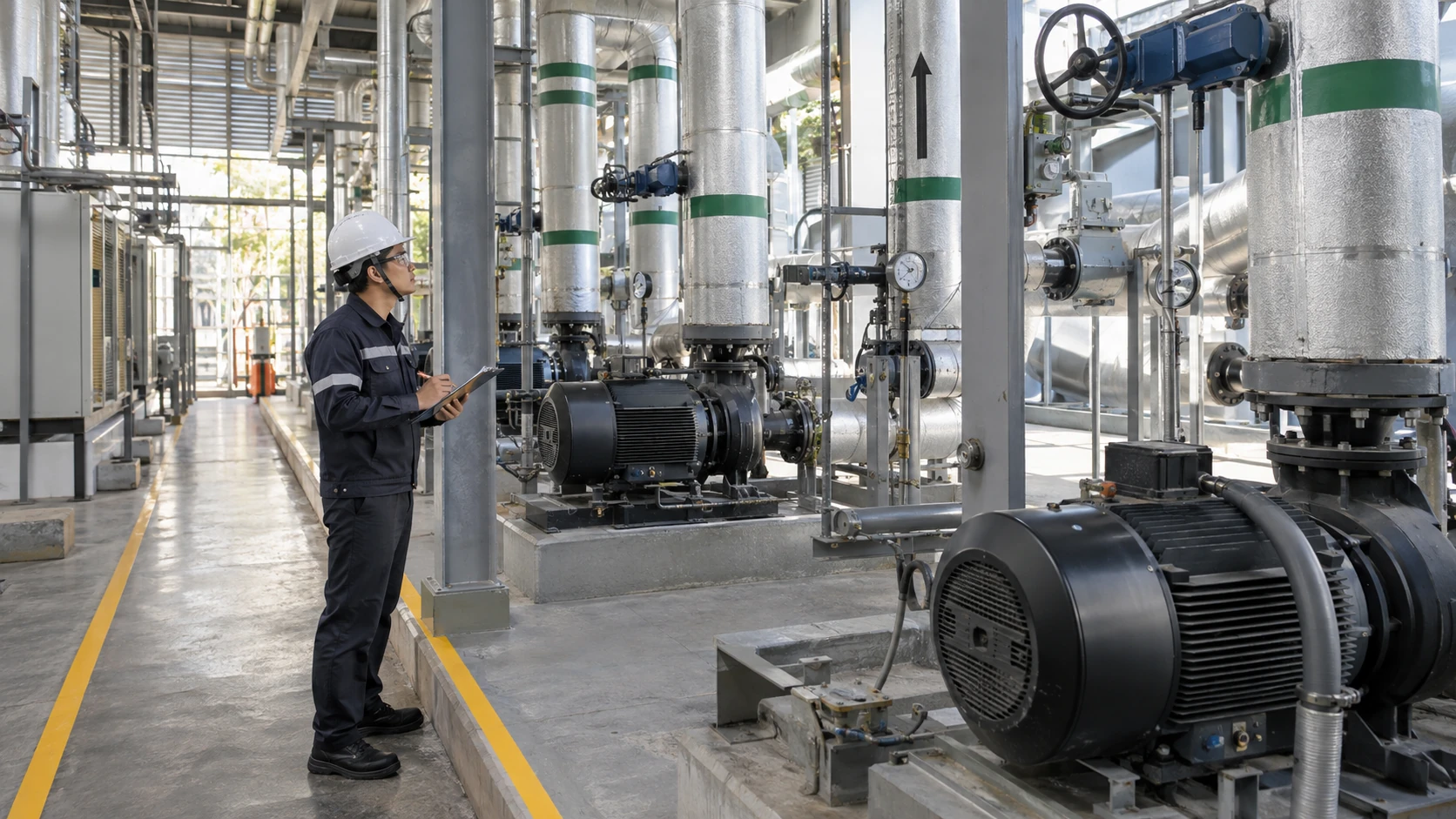
Put candidate measures on one comparison sheet
Use energy records with observations from production and maintenance. DOE guidance recommends a repeatable method to identify and prioritize opportunities. For each candidate, record the problem, proposed change and expected production constraints.
A comparison example
Compare repair of identified compressed-air leaks with replacement of an older ventilation fan. Each needs its own measured problem and suitable technical assessment.
State the constraint
Record access, required production interruption, quality requirements and the people needed. A low purchase price does not settle these questions.
Sources: [1]
Compare complete costs and explicit assumptions
Each measure needs a defined measurement boundary and baseline. Use consistent tariff and operating assumptions where applicable, while accounting for each system’s production conditions.
Compare complete costs
List purchase, installation, service and production-interruption costs, together with the assumptions behind the estimate.
Keep estimates separate
Label forecast savings and payback as estimates. Record the tariff, operating hours and other assumptions so they can be revised.
Separate approval-ready proposals from those needing evidence
A ranking should show why one measure can proceed and why another must wait. Record the selected measure, owner, resources, timing and verification method before approval.
Resolve a weak estimate
If the fan proposal lacks measured operating hours, obtain that evidence before relying on its payback estimate. Missing evidence is a reason to investigate further, not proof that the proposal is poor.
Keep the selection rationale
Record the reasons for approval, deferral or rejection. Review the selected measure against its baseline after implementation and retain any explanation for a different result.
Frequently asked questions
Should the shortest payback always rank first?
No. Also consider production constraints, confidence in the estimate, available resources and whether the improvement can be sustained.
Does installing energy-saving software reduce consumption by itself?
No. People must implement appropriate measures. Software helps compare proposals and track the evidence of results.
Compare the next energy-saving projects
Explore DigitechX Energy Saving Management Software for comparing measures, investment and expected savings, then tracking results against a defined baseline.
Click to view details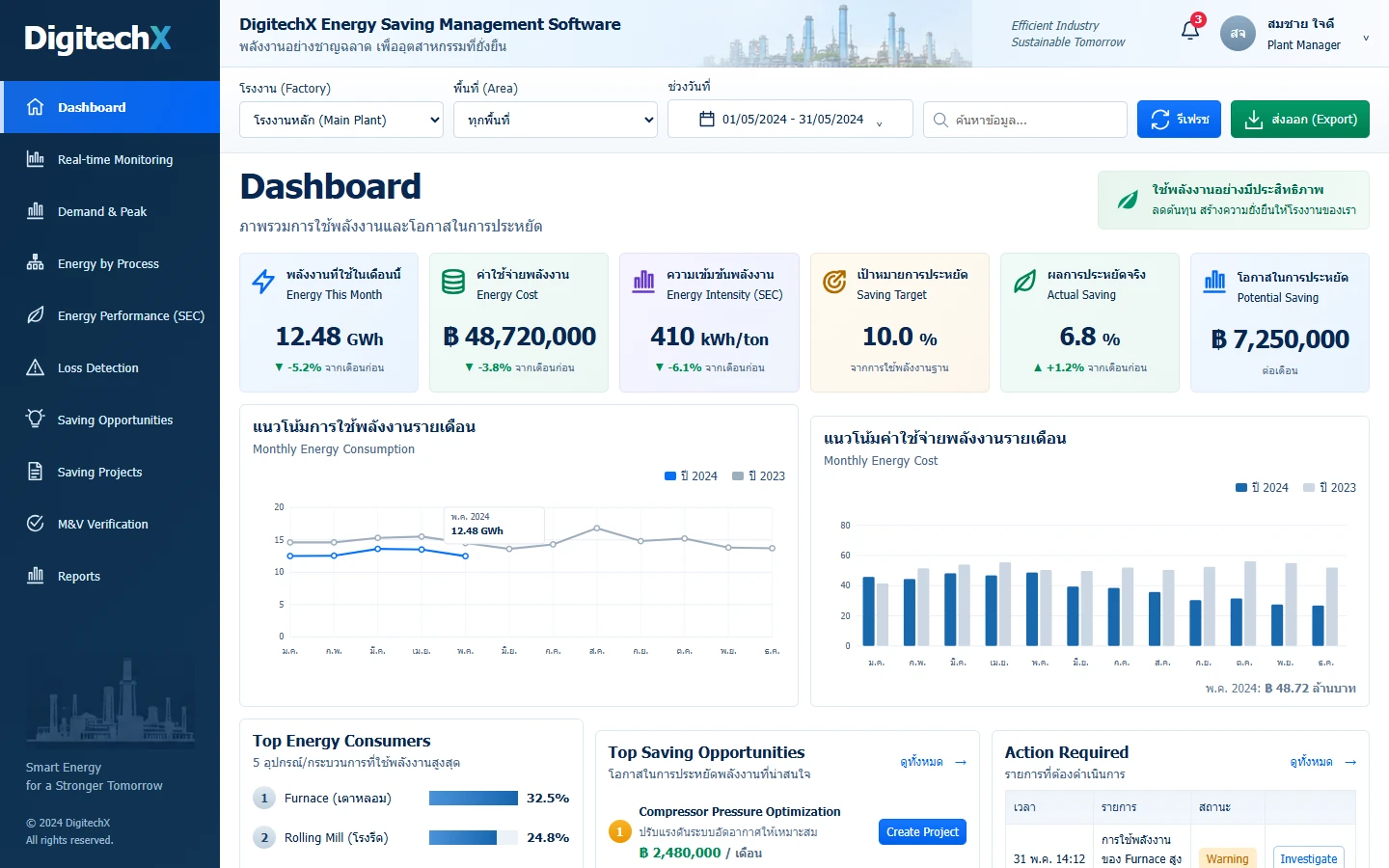
References
- DOE 50001 Ready: Improvement Opportunities
- DOE 50001 Ready: Energy Performance Indicators and Energy Baselines
- DOE 50001 Ready: Action Plans for Continual Improvement
Information and sources reviewed: 8 October 2026