
A fast machine can still consume substantial material before producing acceptable parts. Machine builders should separate startup rejects from defects during stable production, then review settings, material and conditions for each trial. This provides a practical basis for investigating losses with the customer.
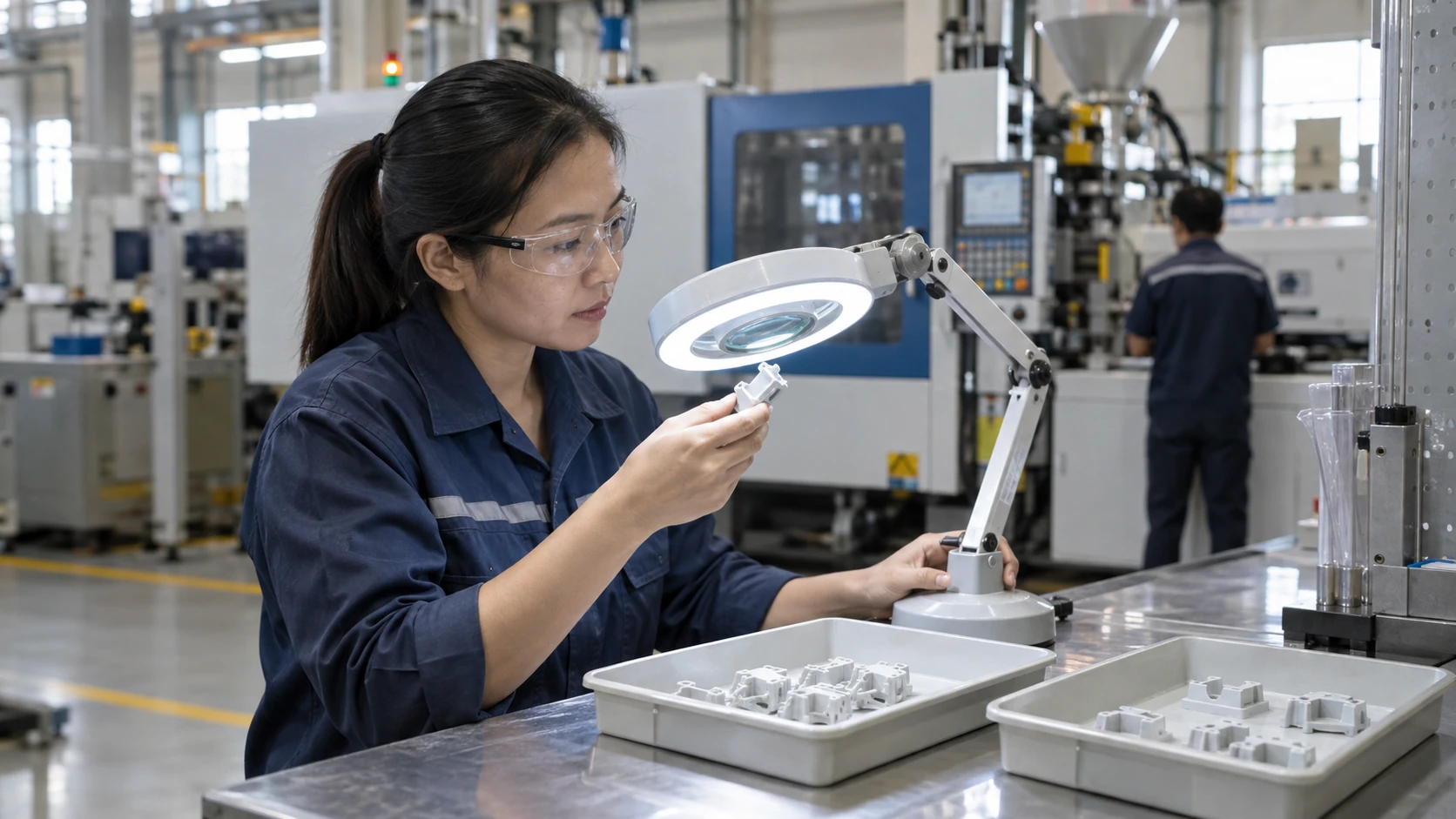
1. Define startup and good output
Vorne’s Six Big Losses framework distinguishes startup rejects from defects during stable production. Parts that require rework remain a quality loss rather than first-pass good output.
Define the startup interval
Production and quality staff agree the event that starts a run and the conditions that establish stable production. Apply the same definition across comparisons.
Keep separate counts
Record total output, first-pass good parts, scrap and rework. Do not improve the first-pass count by adding parts that eventually pass after correction.
Sources: [1]
2. Know what changed in each trial
Overall equipment effectiveness (OEE) includes a quality factor describing first-pass output. The builder and customer still need shop-floor evidence to investigate why defects occur.
Retain the test conditions
Connect material lot, approved setting revision, machine condition and responsible person to each trial. Obtain the required approval before changing operating settings.
Change one issue at a time
Select a specific question, such as warmup preparation or part feeding. Use a safe test plan and assess the output against the unchanged quality criteria.
Sources: [2]
3. Cost the losses that are actually avoided
Review lost material, processing already incurred and correction work. Identify recoverable material and its recovery cost. Do not treat the full material amount as a cash saving when some costs remain unchanged.
Compare per startup
Review rejects per comparable startup together with good output. Total monthly rejects alone can mislead when the number of production starts changes.
Provide customer evidence
Summarise before-and-after results, the adjustment made, trial repetitions and limitations so the customer can assess the proposed machine improvement.
Sources: [3]
Frequently asked questions
Should startup rejects be excluded from OEE?
Use consistent planned-time and counting rules. Do not remove losses simply to improve the score; assess the output produced within the agreed measurement period.
Should the machine run faster once rejects fall?
First verify stability and quality under the existing conditions. Increasing speed is another change that requires its own assessment.
Review rejects alongside machine output and time
Explore DigitechX OEE with one startup example and the good-part criteria to assess counts, events and supporting records.
Click to view details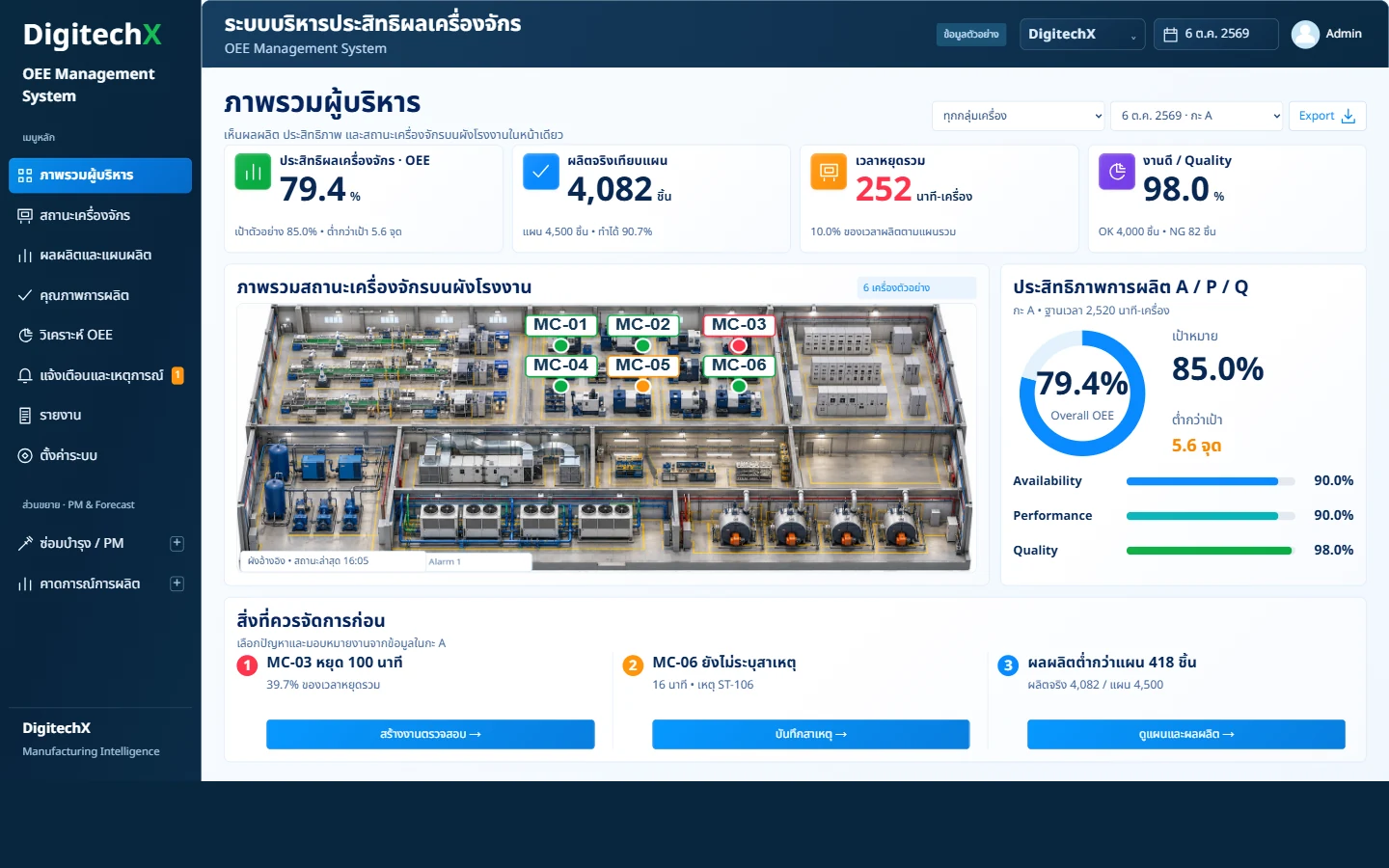
References
Information and sources reviewed: 9 October 2026